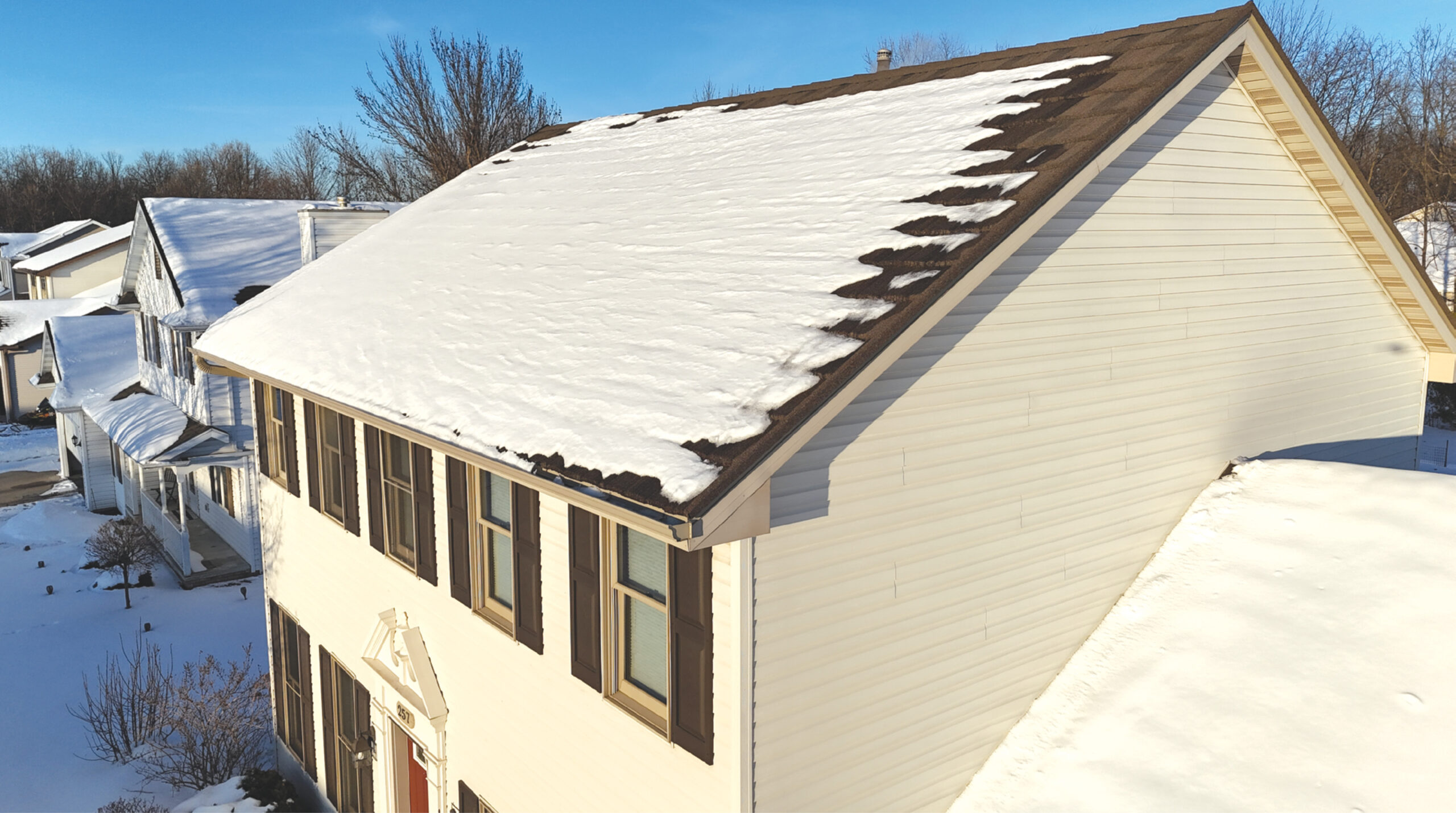

The building envelope is both one of the most important and most complicated areas of a home’s construction, with many interacting parts, from products to design elements to the weather itself. This is why it’s crucial for you and your customers to look at the walls and roofs collectively, not just by individual product, to ensure the entire home envelope works as a system to keep moisture and air out, preserve thermal efficiencies, and protect the structure.
Why the Building Envelope Must Work as a System
The walls and roof have an enormous responsibility for the overall integrity of the house, from blocking rain and wind to lowering energy bills. Unfortunately, it doesn’t take much to lessen that integrity—issues as small as an unsealed hole for a cable line, an improperly layered area of housewrap, or a tightly nailed panel of siding can affect how far and how easily moisture and air can penetrate.
Thinking of the roof and walls as a system requires consideration of their layers—how to maintain continuity of those layers as you move from one area to another so that moisture and air follow the right paths scientifically proven to protect the home.
How Dealers and Their Customers Can Approach the Building Envelope as a System
Ensuring all of the envelope’s layers work together effectively starts, of course, with the design stage, creating systems that leverage building science-based practices to ensure the home is tight yet breathable and has proper paths for trapped moisture to escape.
Here are a few other considerations when taking an integrated approach to the wall and roof envelope:
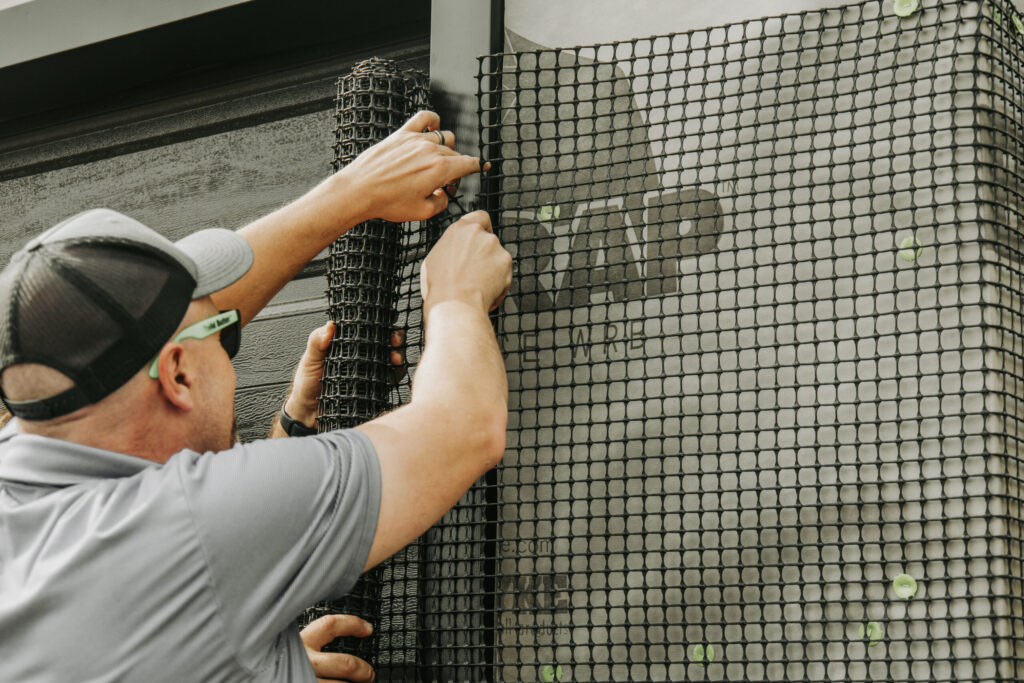
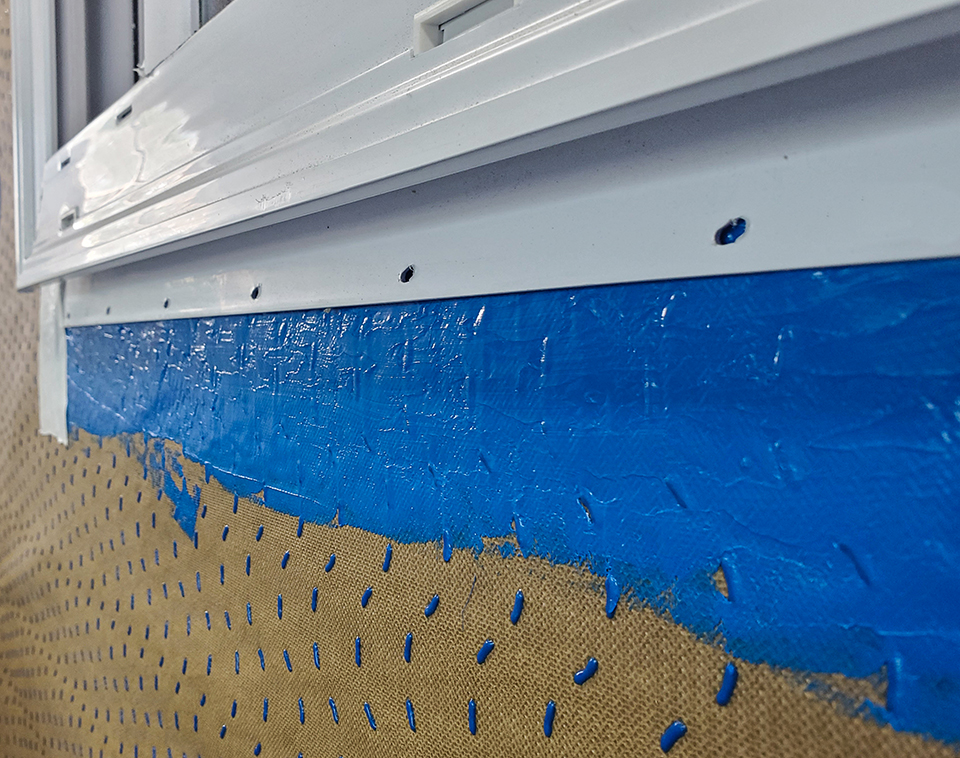
- Product Quality and Purpose: Highly efficient assemblies are more intricate, so it’s helpful to choose products and associated installation techniques to make it easier. For example, a liquid-applied flashing is easier to use on tricky window corners and awkward penetrations. Identifying these areas ahead of time and having ready solutions ensures the right products are ordered and that no installation shortcuts are taken in frustration.
- Material Compatibility: Thinking as a system also helps avoid compatibility issues between products. Different materials may react to each other when they come in contact. For example, a flashing adhesive that reacts to the chemicals of a window frame could lead to a breakdown of the window frame and long-term failure risk. Consult with your manufacturers on what products are compatible with others across the wall and roof system.
- Influencing Factors: When designing the envelope, climate will be the biggest factor. Builders should be accounting not only for the climate zone but also typical rain levels, wetting seasons, and temperature ranges. Occupancy is the second-biggest influence: How will the occupancy levels and the building’s function impact moisture and thermal loads coming from inside the building? For example, designing for a large warehouse with a couple of employees will have different vapor and thermal loads than a wedding venue of the same size regularly packed with people.
- Wall and Roof Intersections: Transitions are always the biggest culprit in failures, and the roof and wall transition is one of the biggest. Builders should ensure the roofing and siding crews communicate on the order of layers to ensure proper moisture drainage as well as to ensure compatibility between materials. For dealers, selling as a system that considers both roof and wall products—and even stocking products that work well for both—can help ease the product specification process for customers.
- Get clarity on team responsibilities: It’s up to every trade working on the walls and roofs to understand their role in maintaining the continuity of the envelope layers and to understand how their areas intersect with others; for example, an electrician shouldn’t be drilling a hole through the weather resistive barrier without properly sealing or notifying the general contractor. Your customers should have pre-construction meetings with every subcontractor who is working on the walls and roofs and go over all design elements and installation requirements.
Having drawings or, even better, wall/roof mockups can be hugely beneficial. Also consider group training with your manufacturer to inform about proper layering and common pitfalls. These are both areas where a dealer can provide key support.
A Systems Approach Starts With Your Manufacturers
Manufacturers, particularly those that make a range of compatible products for wall and roof systems, can help your sales team and your customers take a systems approach. You may also consider working with manufacturers that sell both wall and roof systems while carrying systems-based warranties.
Nick Johnson is technical support specialist for Benjamin Obdyke. Learn more at www.benjaminobdyke.com.
To read more articles like this, subscribe to the LC. To subscribe or receive a complimentary copy of the LC, click your preferred version: DIGITAL PRINT
Only NRLA members can receive the LC in print by mail.