Pressure-treated wood remains one of North America’s most widely used building materials. It is a popular choice for decking and fencing due to its durability, cost-effectiveness, longevity, and availability. And while it is extremely durable, it still benefits from added weather protection to help preserve its appearance, manage the effects of weather exposure, and extend its service life.
What Is Pressure-Treated Wood?
Untreated wood is placed in a sealed retort, where a vacuum removes air from the wood before a water-based preservative is introduced under pressure. This drives preservative into the wood, improving resistance to decay, fungi, and wood-destroying insects and making treated softwood a durable alternative to naturally resistant hardwoods.
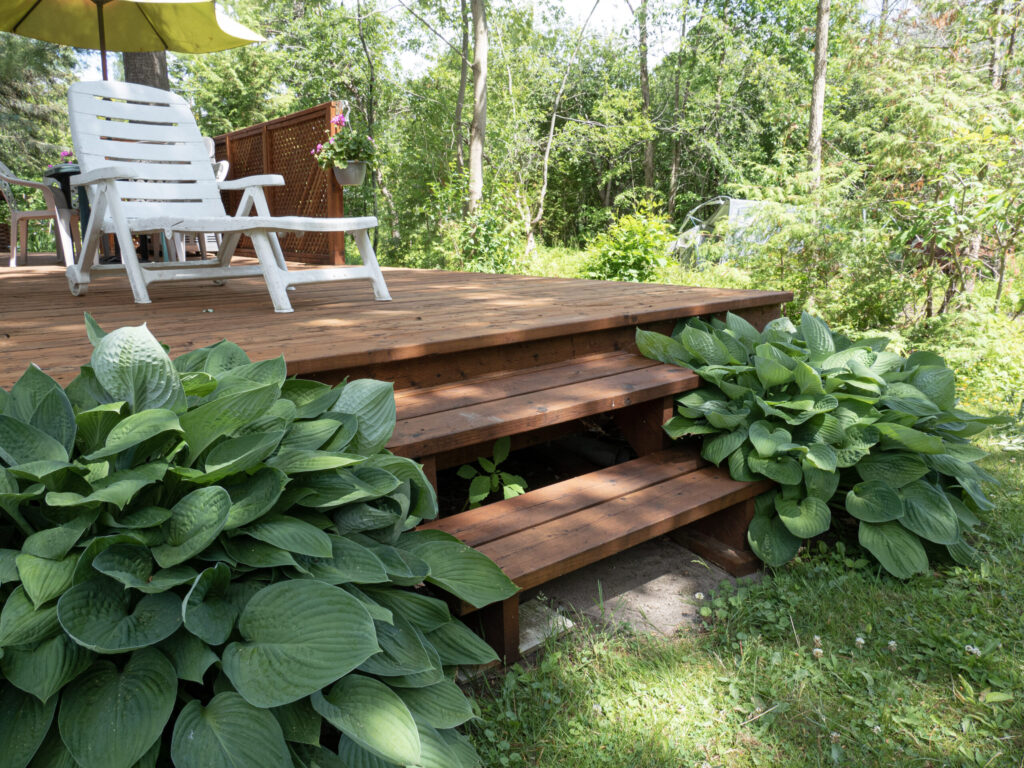
What Pressure-Treated Wood Protects From and What It Doesn’t
Pressure treatment helps prevent or slow the biological deterioration that can compromise wood over time. It protects wood from biological deterioration, but it does not prevent weathering caused by moisture and ultraviolet light exposure.
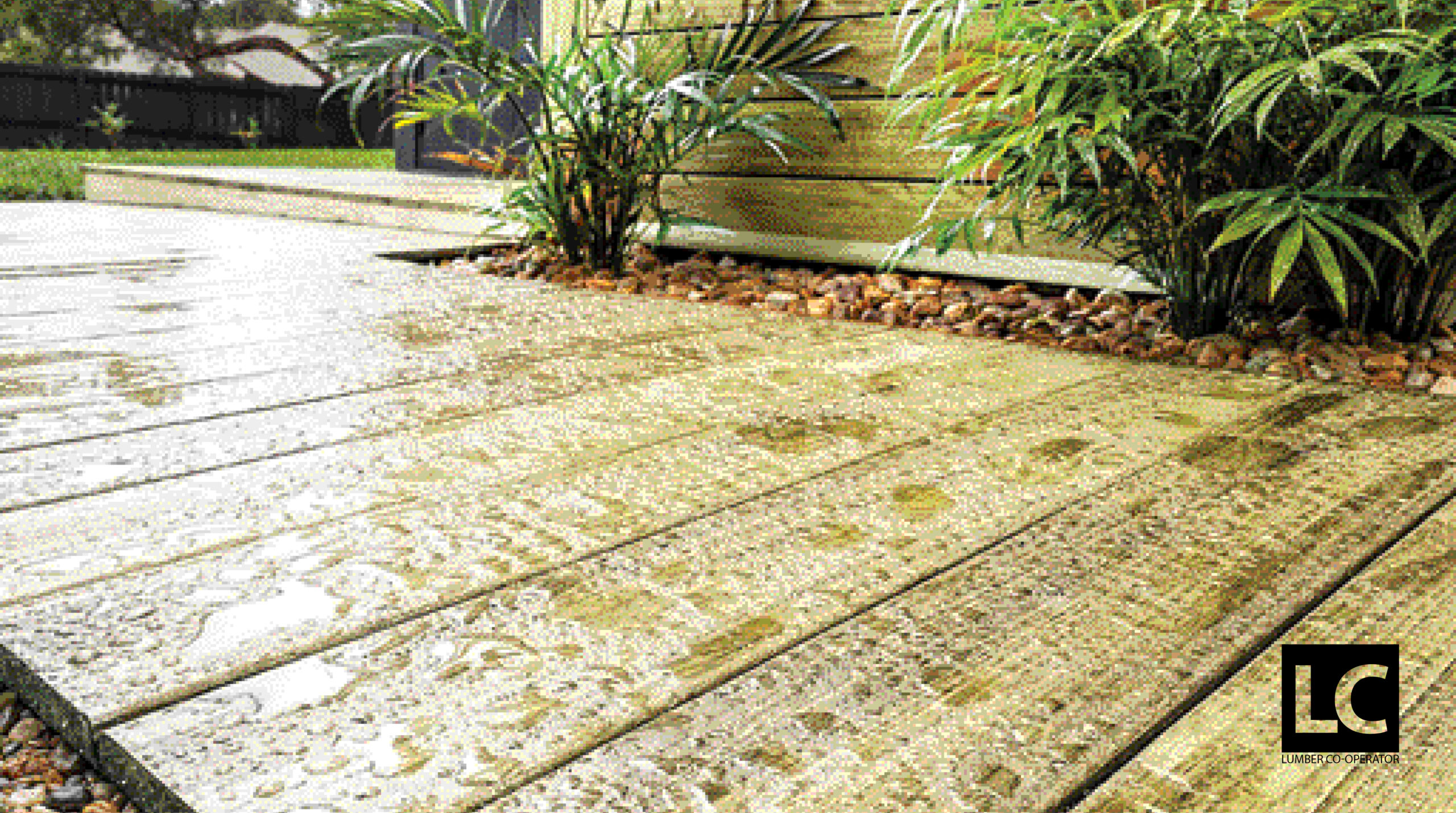
When moisture enters the wood, it swells and then shrinks when drying. Repeated changes in moisture content can contribute to dimensional movement, surface checking, splitting, warping, and other forms of weathering, reducing dimensional stability over time.
When ultraviolet light hits the surface of the wood, it initiates a process called photochemical degradation, which particularly affects lignin. As lignin breaks down, surface fiber erosion, often called “furring,” can occur along with the familiar graying or “silvering” associated with weathered wood.
Benefits of a Fully Penetrating Wood Oil
This is where a fully penetrating wood oil can play an important role. A true penetrating wood oil works within the wood to repel moisture and reduce future moisture uptake. By reducing both the rate and amount of moisture entering the wood, it helps minimize the repeated wetting and drying cycles that contribute to swelling, shrinkage, checking, cupping, and warping. If water carries preservatives into the wood during treatment, controlling future moisture movement also helps reduce preservative loss through leaching, supporting longer service life.
Penetrating oils may also incorporate UV color protection to slow color change. Clear oil allows wood to naturally silver over time, while a suitable color tone can help maintain the freshly oiled appearance for longer.
Timing
There is a common misconception that new pressure-treated lumber must always be left for six months or longer before it can be finished and protected. Surface-weathering periods are generally intended to prepare wood for coatings that rely on surface adhesion. A fully penetrating oil instead diffuses into the wood, so application can begin almost immediately. The goal is to protect the lumber while it is still in good condition and not have to restore the lumber after it’s been left out for a season.
Better Together
Pressure-treated lumber and a fully penetrating wood oil work together to provide a more complete approach to protecting outdoor wood structures. Pressure treatment helps defend against biological threats such as fungal decay and wood-destroying insects, while a penetrating oil finish helps manage moisture exposure and protect the wood from the effects of weathering.
By addressing different challenges, these two systems help preserve the strength, appearance, and longevity of outdoor lumber. It’s a simple approach: Start with a durable foundation and add the protection needed to help it perform for years to come.
Nate Heatherington is the marketing coordinator at CUTEK Canada and CUTEK USA. He can be reached in Canada at 1-844-44-CUTEK (2883) or in the USA at 1-833-MYCUTEK (692-8835). To learn more about CUTEK Wood Solutions, visit cutekwoodsolutions.com.
To read more articles like this, subscribe to the LC. To subscribe or receive a complimentary copy of the LC, click your preferred version: DIGITAL PRINT
Only NRLA members can receive the LC in print by mail.