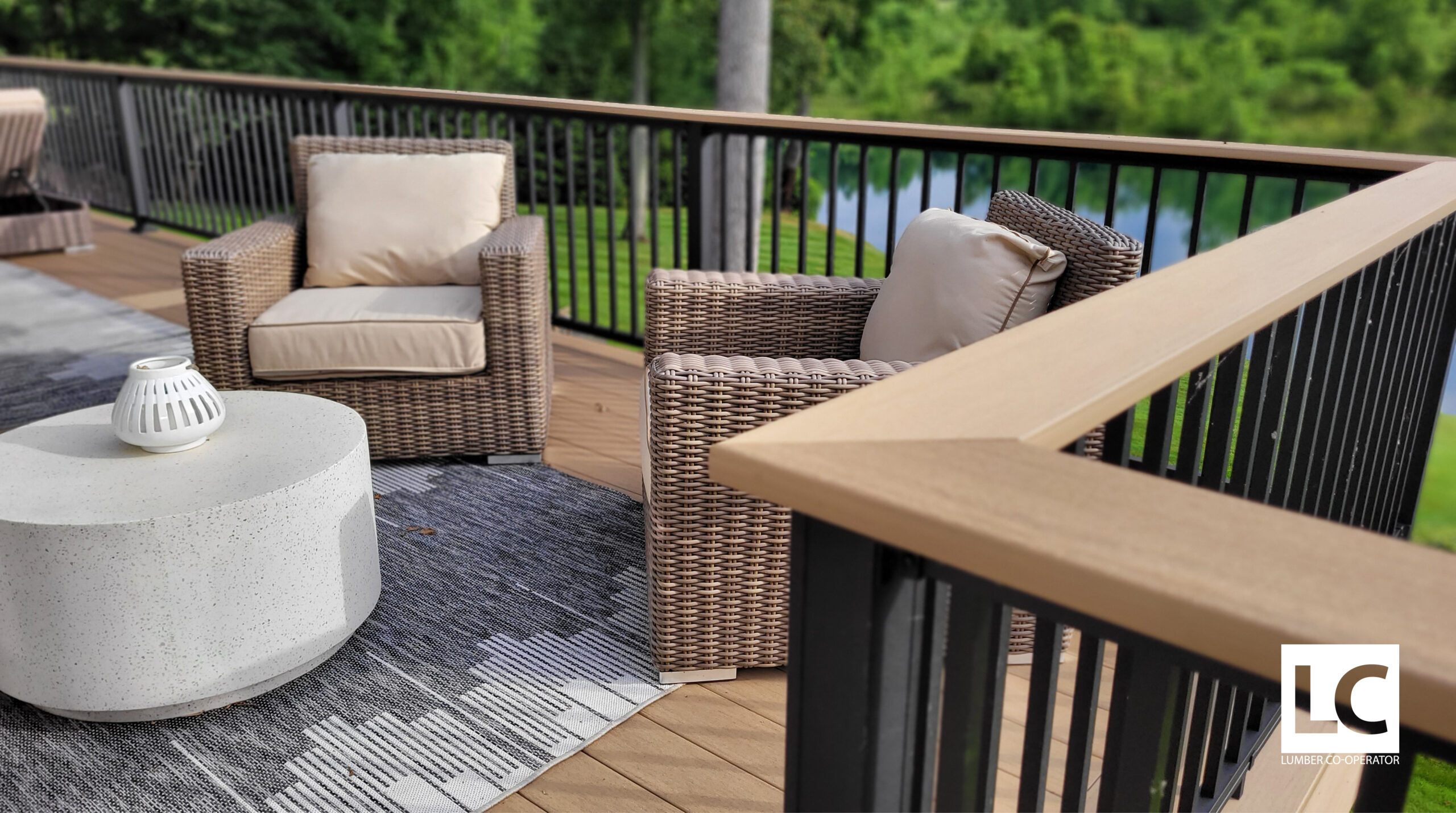

For most homeowners, a deck is more than a home improvement project—it’s an investment in outdoor living. When built with quality materials and installed correctly, a pressure-treated wood deck can provide decades of performance, beauty, and value.
While material selection is important, long-term satisfaction often depends on understanding how a deck performs over time and how to maintain it properly. That is where the dealer plays a critical role.
Dealers are often the first trusted advisors in the buying process. The conversations they have with customers shape not only what products are purchased but also expectations for performance and maintenance. By making education part of every deck sale, dealers help customers make informed decisions, improve project outcomes, and encourage repeat business and referrals.
Start With Expectations
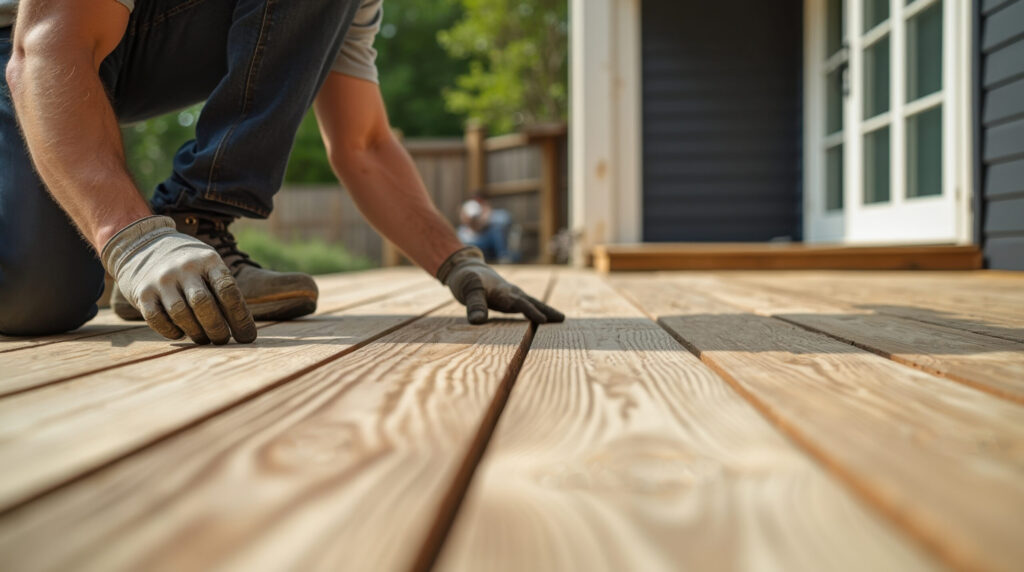
Pressure-treated lumber remains one of the most practical choices for outdoor construction because it combines structural performance, natural beauty, and affordability. Unlike manufactured products, wood offers warmth, character, and a timeless appearance that many homeowners prefer.
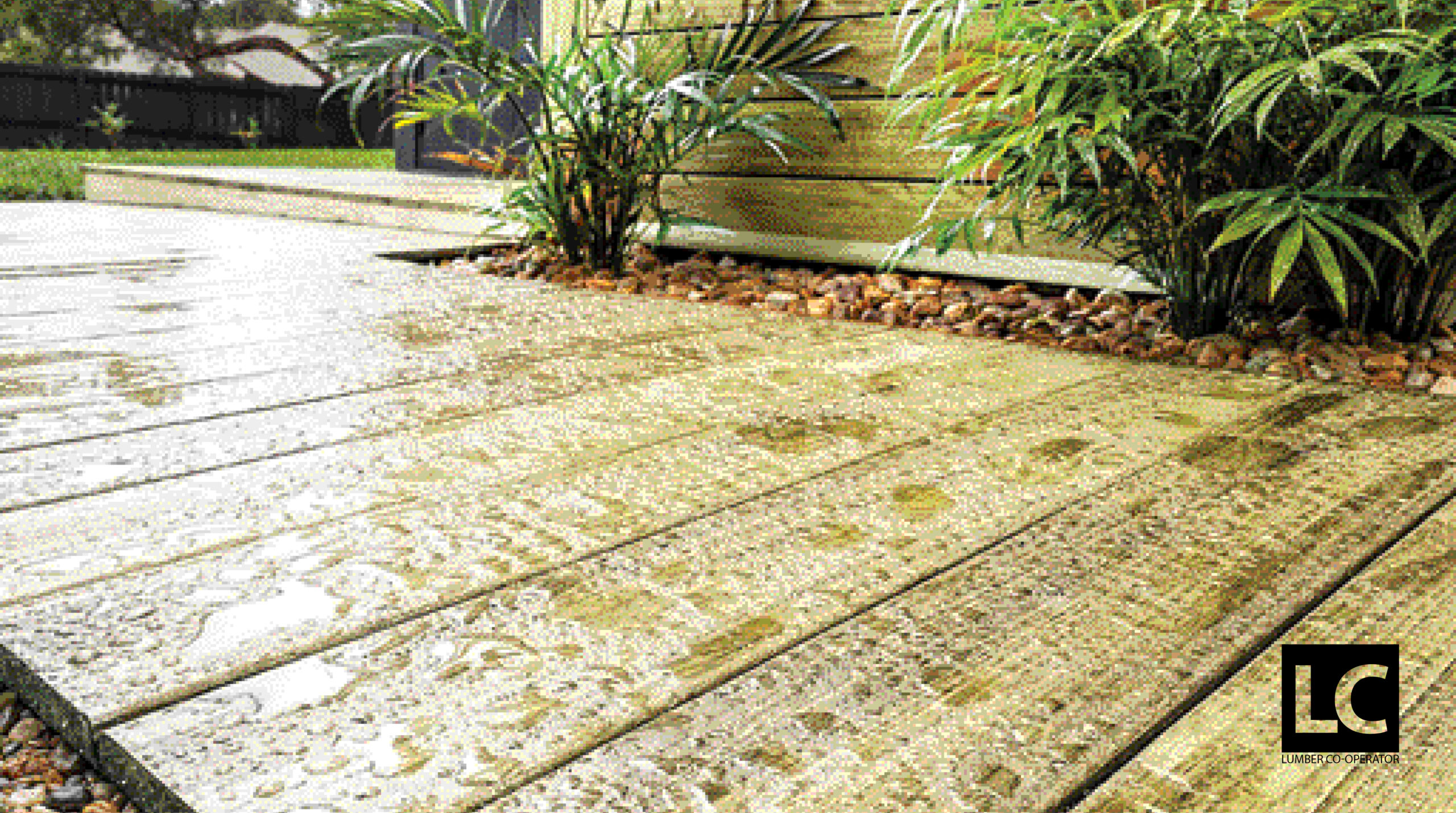
As a natural product, treated lumber continues to respond to environmental conditions after installation. Minor checking, seasonal movement, and weathering are normal characteristics and do not affect structural performance. Explaining these expectations early helps customers understand what they will see as the wood dries and ages.
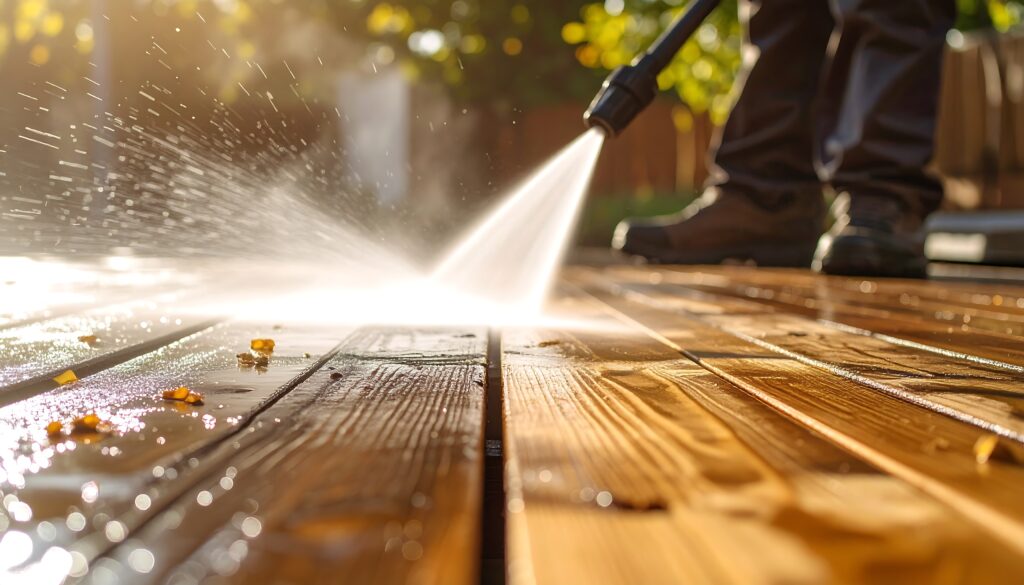
Maintenance is straightforward. Periodic cleaning and a quality stain or water-repellent finish help preserve appearance and extend service life. Dealers can also discuss lumber grades, moisture content, fastening methods, and proper board spacing—small details that make a major difference in customer satisfaction.
Compare Materials Through the Lens of Performance
Homeowners today can choose from a wide range of decking materials, including composite, PVC, cedar, redwood, tropical hardwoods, and pressure-treated lumber. The dealer’s role is helping customers compare these options based on performance, value, durability, and versatility.
Pressure-treated Southern yellow pine has served as the foundation of the North American deck industry for decades. Its strength, durability, availability, and affordability make it unique. It is also used throughout the structure, including posts, beams, joists, stair stringers, and deck boards. Even many composite and PVC decks rely on treated wood framing.
Other materials offer advantages, but they often bring higher upfront costs or limits related to repairability and long-term value. Pressure-treated lumber can be repaired, refinished, or replaced one board at a time. When customers evaluate total project value and longevity, treated lumber continues to be the industry benchmark.
The Details That Matter
Modern pressure-treated wood is engineered to resist decay, fungal attack, and termites, but proper building practices remain essential to maximizing service life.
Drainage and ventilation are among the most important factors in deck longevity. Proper flashing, adequate board spacing, protection of joist tops, and treatment of cut ends all help reduce moisture retention. Good airflow beneath the structure allows components to dry more efficiently after rain.
Most homeowners are unfamiliar with these details. Dealers who share this knowledge provide real value and help ensure better-performing decks for years to come.
Upgrades That Deliver Real Value
Once homeowners understand the importance of a strong foundation, discussions about upgrades become easier.
Joist protection tape is a simple addition that can help protect framing from moisture and debris. Using coated, hot-dipped galvanized, or stainless steel fasteners and connectors improves durability and corrosion resistance.
Selecting the correct treatment level is equally important. Products for above-ground, ground-contact, or marine exposure should be matched to the project. Premium-treated decking can provide improved appearance and board consistency while retaining the strength and value of treated lumber. A quality finish and routine maintenance program further enhance performance and appearance over the life of the deck.
Make Education Repeatable
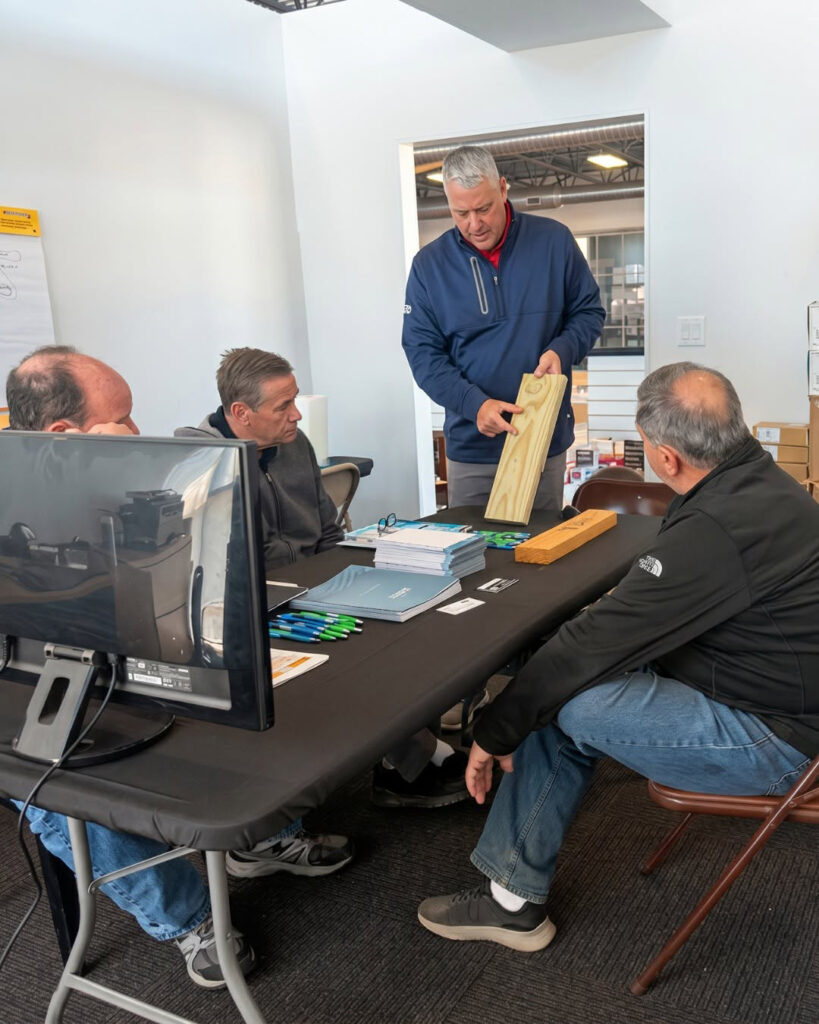
Selling pressure-treated lumber is ultimately about building confidence, not simply moving product. That starts with training counter staff to discuss performance, maintenance, drainage, ventilation, and product selection with every customer. Care guides, installation checklists, and treatment-level comparisons help reinforce those conversations. Follow-up reminders for cleaning or refinishing provide support while creating future sales opportunities.
Pressure-treated lumber is available from nearly every lumberyard. What differentiates one dealer from another is the knowledge and guidance that accompany the product. Dealers who educate homeowners on the value, durability, and proven performance of treated lumber are selling more than decking—they are selling confidence. And confidence is what turns today’s deck project into tomorrow’s repeat customer.
Chris Brown is the executive vice president at Culpeper Treated Lumber. He can be reached at cbrown@culpeperwood.com or (270) 240-0119 x2725.
To read more articles like this, subscribe to the LC. To subscribe or receive a complimentary copy of the LC, click your preferred version: DIGITAL PRINT
Only NRLA members can receive the LC in print by mail.