
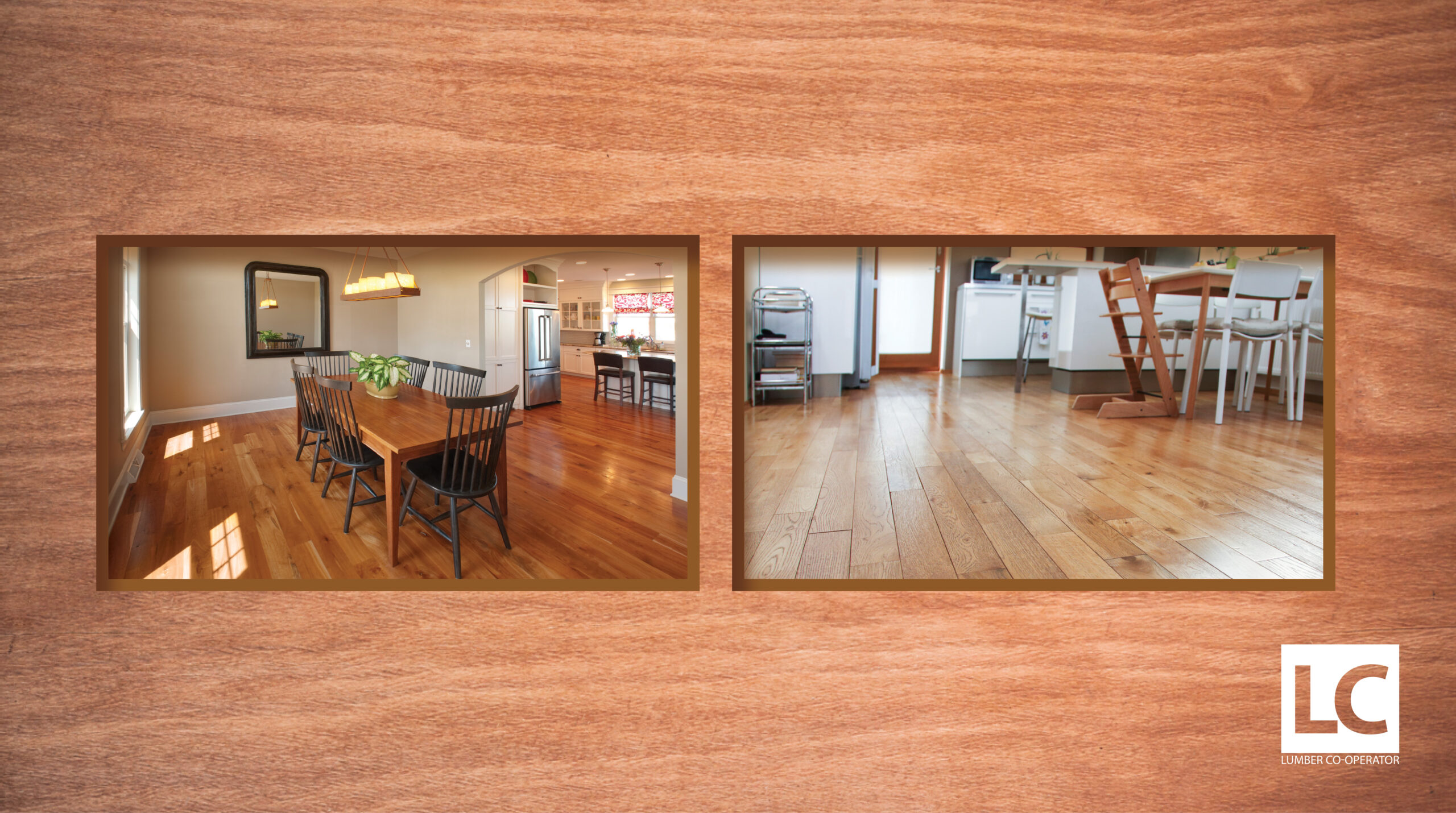
Flooring trends in 2026 reflect a clear shift in priorities: homeowners want spaces that feel warmer, more natural, and more personal without sacrificing performance. Across consumer design media, professional flooring publications, and industry data, consistent themes emerge. Cooler gray tones are fading, while warm neutrals, authentic materials, and thoughtful layouts take center stage. At the heart of these trends lies a renewed appreciation for real wood flooring, both solid and engineered, alongside the continued dominance of high performance alternatives like luxury vinyl plank (LVP).
Warm Neutrals Replace Cool Grays
One of the most defining flooring trends for 2026 is the move away from gray and ashy tones toward warm, organic color palettes. Honey, caramel, chestnut, mid oak, and muted browns now lead the market. Designers emphasize that these tones create a grounded, inviting foundation that works across traditional, transitional, and contemporary interiors. This shift is especially evident in wood flooring, where natural grain and color variation are once again celebrated rather than muted or bleached.
This warmth connects directly to biophilic design principles, bringing interior spaces closer to nature through color, texture, and material choice. Flooring is no longer a neutral backdrop; it is now a key design feature that sets the tone of the home.
Solid Wood Flooring: Timeless, Authentic, and Resurgent
Solid hardwood flooring has been and remains a premium choice and continues to benefit from the return to warmer tones and natural finishes. While it never truly fell out of favor, solid wood is enjoying renewed attention thanks to trends that highlight authenticity, longevity, and craftsmanship.
Solid wood floors shine in 2026 trends because:
• Richer midtones and darker stains highlight natural grain and depth.
• Matte and satin finishes showcase wood’s authentic character.
• Wide planks, when available, feel intentional and luxurious.
• Solid wood offers unmatched refinishing potential, often lasting generations.
Homeowners choosing solid wood today typically prioritize permanence and long-term value. Species such as white oak, red oak, walnut, maple, hickory, and cherry are especially popular. White oak stands out as the leading species, prized for its stability and tight grain. Walnut and cherry appeal to buyers seeking drama and richness, while hickory and maple attract households that value strength and durability.
Solid wood remains best suited for above grade applications, and it continues to define the gold standard of residential flooring.
Engineered Wood Flooring: The Growth Engine of Real Wood
While solid wood holds prestige, engineered hardwood is the fastest growing segment of real wood flooring—and a major trend driver for 2026. Engineered flooring pairs a genuine wood veneer with a layered core, offering greater dimensional stability while preserving the look and feel of authentic hardwood.
Engineered wood aligns perfectly with current trends:
• Extra wide and long planks are more readily available.
• Performs well over radiant heat and varied subfloors.
• Factory finishes deliver consistent, matte, or satin sheens.
• Ideal for open concept homes and modern layouts.
Designers are increasingly specifying engineered wood for main living areas, citing its balance of realism and performance. In patterned installations, such as herringbone, chevron, and parquet, engineered boards often make installation more predictable and accessible while maintaining visual impact. Engineered hardwood is no longer viewed as a compromise; it is seen as a smart, design forward evolution of traditional wood flooring.
Patterned Wood Flooring: Herringbone Leads the Way
Patterned installations are continuing to surge in popularity in high-end and large projects. Particularly herringbone, which designers consistently describe as timeless rather than trendy. Chevron and parquet styles also feature prominently, especially in entryways, kitchens, and large open spaces where floors are used as a focal point.
Both solid and engineered wood are used for these layouts, though engineered flooring often provides greater flexibility for full floor installations. These patterns add rhythm, movement, and architectural interest, reinforcing flooring’s role as a primary design element.
Wide Planks and Expansive Scale
Across wood and tile categories, scale matters. Wide planks—often 7 inches or more—remain highly desirable, reducing visual seams and creating a calmer, more expansive feel. This trend strongly favors engineered wood, but solid wood wide planks are also in demand where conditions allow.
Similarly, large format tile continues to grow in popularity for kitchens, baths, and open living spaces, offering a sleek aesthetic with minimal grout lines.
Sustainability and Natural Materials
Sustainability remains an undercurrent across all flooring categories. Reclaimed wood, responsibly sourced hardwood, low VOC finishes, cork, bamboo, and natural stone continue to gain traction. Wood flooring, especially when certified or reclaimed, fits naturally into this eco conscious mindset, reinforcing its appeal beyond aesthetics.
LVP: The Market Leader by Volume
Despite the renewed focus on real wood, luxury vinyl plank (LVP) remains the popular flooring choice overall. Its dominance comes from unmatched practicality: waterproof performance, durability, affordability, and increasingly realistic wood visuals.
Many homes now combine materials strategically, using engineered or solid wood in main spaces and LVP in kitchens, baths, basements, and high traffic areas. This reflects a pragmatic, room by room design approach, instead of a single flooring type for the whole residence.
Tile and Carpet: Targeted Roles
Tile continues to excel in wet areas and design driven spaces, with large format and updated checkerboard patterns leading trends. Carpet, while no longer a whole home default, is making a measured comeback in bedrooms and family rooms, driven by comfort, warmth, and acoustic benefits.
Final Thoughts
Flooring trends in 2026 are less about rigid rules and more about thoughtful choices. Warm tones, real materials, practical performance, and intentional design define the moment. Solid wood remains timeless and aspirational. Engineered wood bridges authenticity with modern performance. LVP delivers versatility where durability matters most. Together, these trends reflect a flooring landscape that values beauty, comfort, and longevity that is grounded in the simple idea that floors should feel as good as they look.
Ed Godek, III has worked for Rex Lumber Company for over 30 years and is currently the director of marketing.