Essential post-winter repairs for durable, energy-efficient homes.
Winter puts the homes built, maintained, and inspected by industry pros through one of the toughest challenges of the year. Snow, ice, and shifting temperatures can quickly reveal weaknesses in a structure’s envelope, threatening comfort, efficiency and durability. As spring approaches, the winter season leaves behind valuable insights into how homes truly perform under extreme weather conditions.
For lumberyards, this transition period offers a valuable opportunity to help builders and contractors assess winter-related wear, anticipate repair needs, and prepare for the influx of spring projects ahead. By understanding the key areas where winter conditions commonly expose issues, dealers can be ready with the right products, insights, and expertise to support industry professionals with proactive winterization solutions.
Inspect the Roof
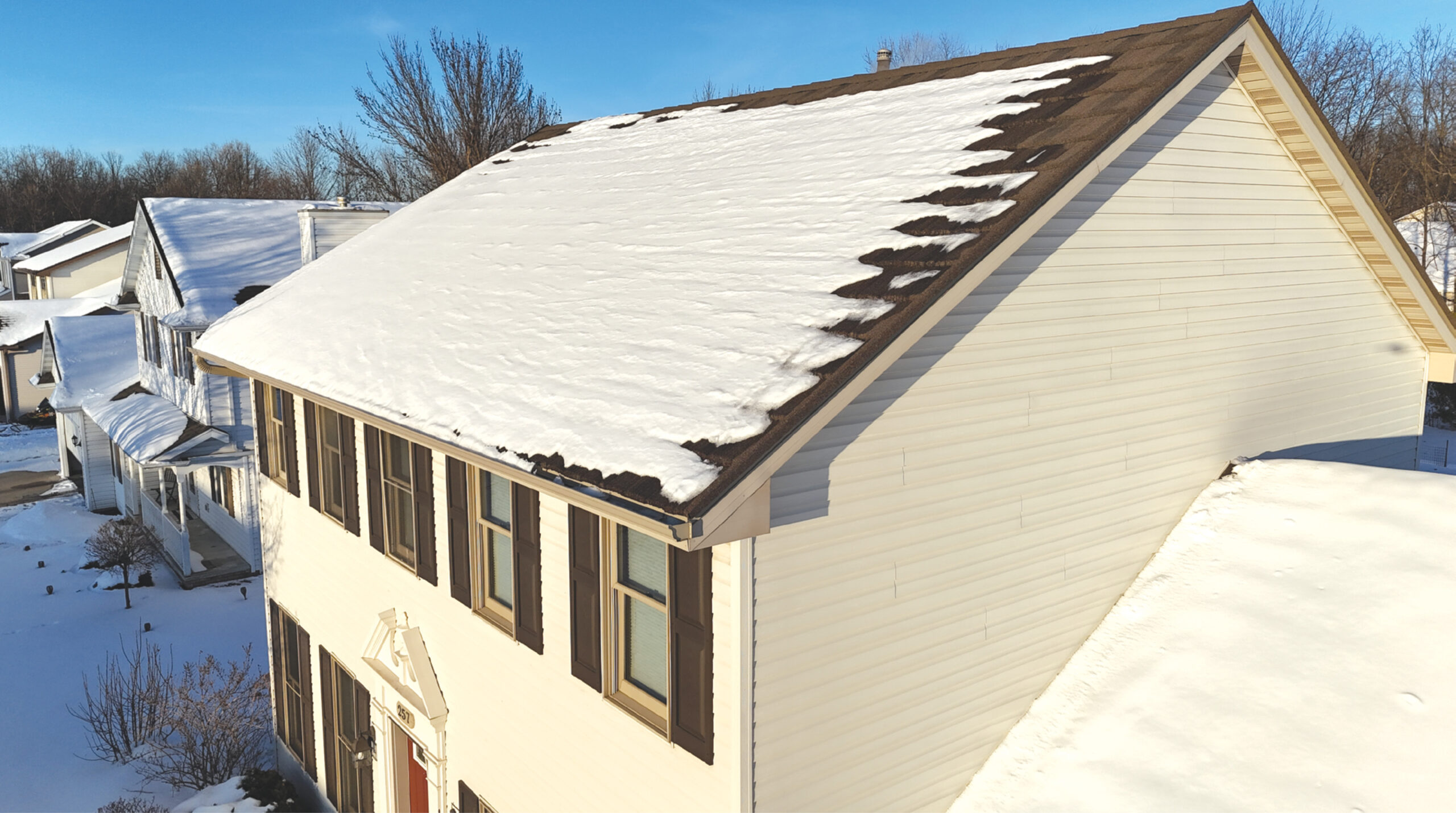
The roof is a home’s first line of defense against harsh weather, and winter conditions often make existing weak spots more apparent. Damage from seasonal storms or aging materials can worsen under snow loads, ice buildup, and freeze-thaw cycles, making post-winter inspections a critical part of home maintenance. Contractors may now be identifying worn shingles, compromised flashing, and weak spots around chimneys or vents revealed over the past season. Addressing these issues early—whether through repairs or replacements—can help prevent costly leaks and water damage as spring rains set in. For lumberyards, this is a timely moment to ensure inventory and guidance are aligned with the roofing and drainage needs that contractors commonly encounter throughout the season.
Leak-Proof Doors and Windows
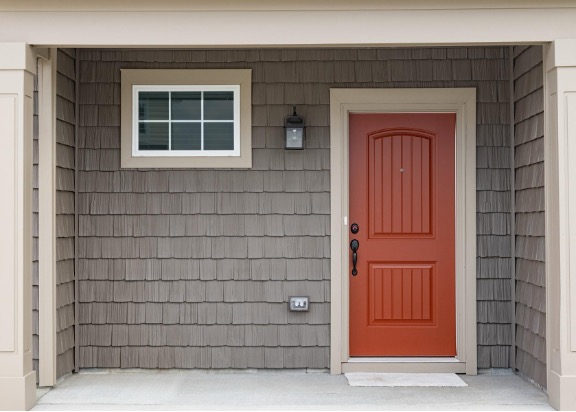
Doors and windows are common sources of drafts and moisture leaks. Poorly sealed entry points can waste energy and increase heating costs, even in well-insulated homes. As contractors evaluate post-winter performance, typical next steps include inspecting frames for cracks, cleaning tracks, swapping seasonal components like storm windows, and repairing or replacing sealant.
Sealing exterior gaps with moisture-resistant trim is a common and effective way to add durability and visual appeal, creating a more efficient building envelope for year-round performance. With the right expertise, dealers can play a key role in helping contractors identify the appropriate materials and solutions to address sealing issues, contributing to homeowner satisfaction and supporting long-term performance expectations.
Upgrade Insulation
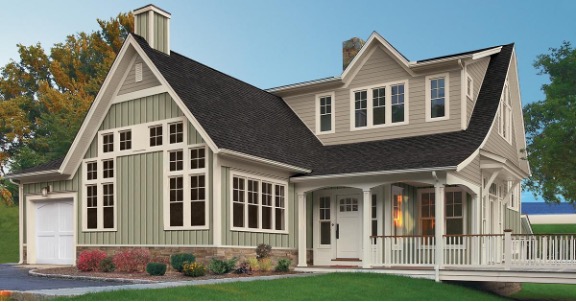
Insulation is essential for winter-ready homes, improving thermal performance and protecting against heat loss. Assessing and reinforcing insulation—particularly in attics and around exposed plumbing—prevents energy waste and pipe damage, helping to prevent recurring energy loss and reducing the risk of damage during future winters. Upgrading to high-performance insulated siding adds durability and efficiency, maintaining indoor warmth in severe conditions while also benefiting cooling systems in summer. For industry professionals, enhancing insulation—through targeted fixes or comprehensive exterior solutions—boosts building resilience and value.
Lumberyards that understand these post-winter pain points will allow teams to proactively support contractor customers with insulation solutions, exterior systems, and informed product recommendations. By viewing winter not just as a season to prepare for, but one to learn from, dealers can better anticipate contractor needs and strengthen their role as a trusted industry resource.
Kriss Swint is the director of marketing communications and design lead at Westlake Royal Building Products and the managing editor of LiveAbode.com, Westlake Royal’s exterior design inspiration blog. Photo Credits: Westlake Royal Building Products.
To read more articles like this, subscribe to the LC. To subscribe or receive a complimentary copy of the LC, click your preferred version: DIGITAL PRINT
Only NRLA members can receive the LC in print by mail.